Know Your Palette
When I was a younger man, still an undergraduate and still naively optimistic about my future, I used to believe, in that customary fashion of youth, that I was capable of anything and undoubtedly suited to everything. On a brief shopping trip to a Polo Ralph Lauren factory store for ‘essentials’ – crew neck and v-neck sweaters – I grabbed a white crew neck jumper, which my other male companion had also selected for trial, and after pulling it carelessly over my head, marched triumphantly from the changing rooms to be appraised by the third companion, a female. She looked at us and winced in that peculiar way; a warning indication of the discomfort and awkwardness they were about to cause. My companion, she pointed out, was tanned and toned and the brilliant white looked magnificent next to his skin. I was rather pale and slight and, when compared to the sun-kissed specimen standing next to me, looked, as she put it rather indelicately, rather horrible indeed.
As degrading and puzzling it was to a young man who was stubborn in his resistance to defeat, I had to admit on reflection that she was exactly right. It is a glorious folly of youth to believe that we can do anything; limitations are forgotten, mistakes are made, albeit in the most honourable and admirable way. I eventually selected a navy blue jumper which, both of my companions agreed, suited me well. Although, I was still disappointed.
‘Know your palette’ has since been a mantra of mine when gazing upon the racks of the rainbow in countless stores. It is perhaps unfortunate for many people that some of the colours we adore are the most inappropriate and impractical. Like the doomed lovers; hearts aflame for one another, passionate and even devoted - but tragically unsuitable as partners. Such is my relationship with pastel greens, orange and purple: glorious colours that deserve to be worn, but not by me.
1. The Pale Caucasian

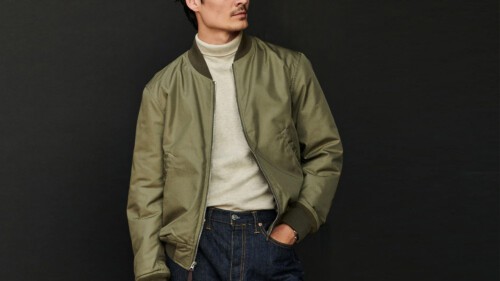
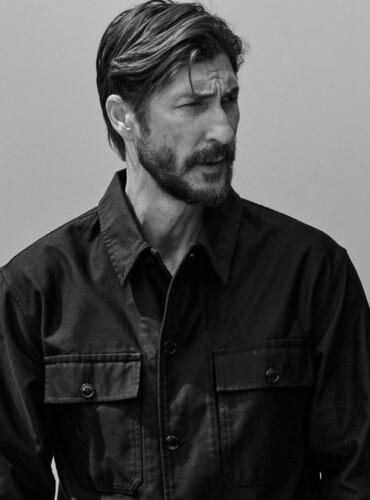
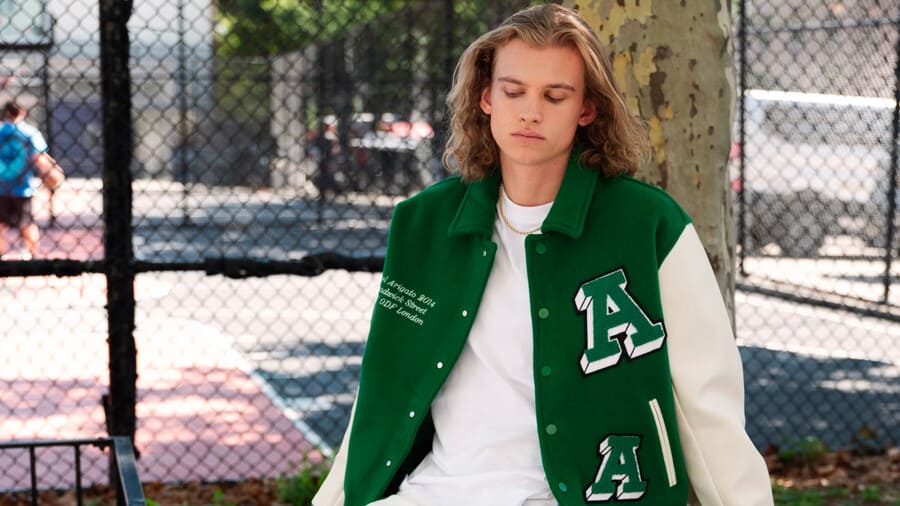
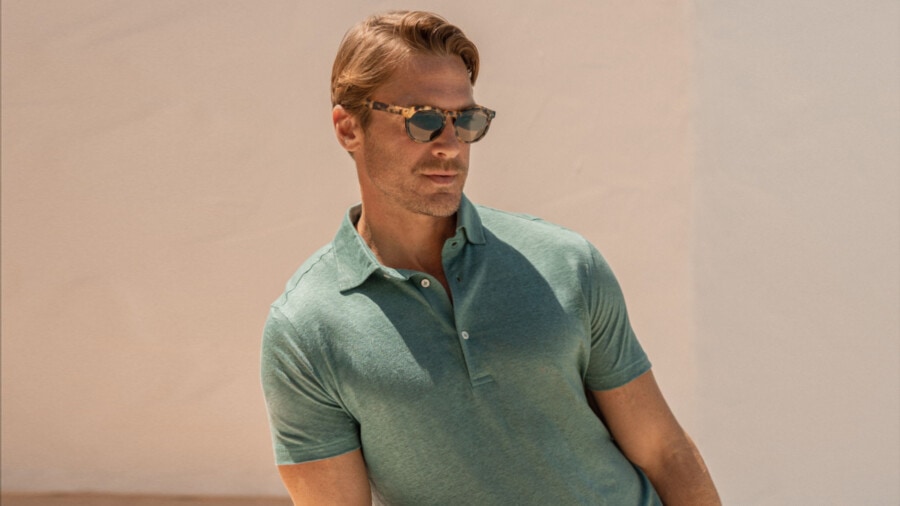
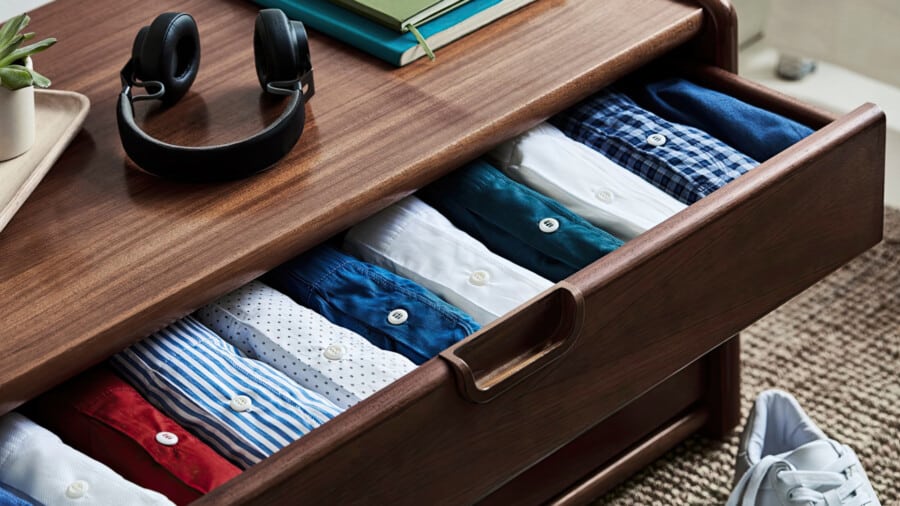
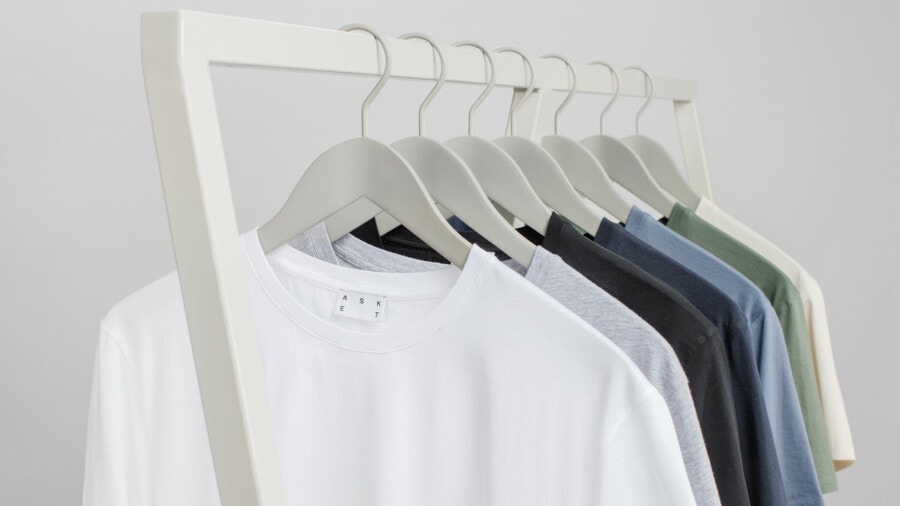
If you are, like me, a Caucasian of light brown or blonde hair, light skinned and perhaps a little freckly with green or blue eyes, then you might already be aware that some colours are not as appealing on you as others. Summertime might give way to a little tanned skin and generously highlighted hair, but generally speaking I find that strong ‘fruit’ colours; orange, banana, kiwi and the like, tend to overpower the subtlety of our features. In moderation white looks acceptable but when I use too much of it, my skin looks blotchy; it’s quite incredible how much redder a slight shaving rash can look wearing such quantities of this colour. The best tones to stick with are navy and mid blue, black, dark and moss greens and deep red. Ferrari reds do look delicious on the shelf, but when I see a ‘dark haired olive skinned lothario’ casually considering such a tone, I begin to realise my limitations.
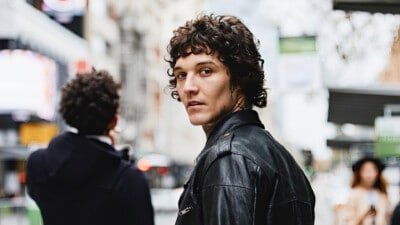
2. The Dark Haired Olive Skinned Lothario

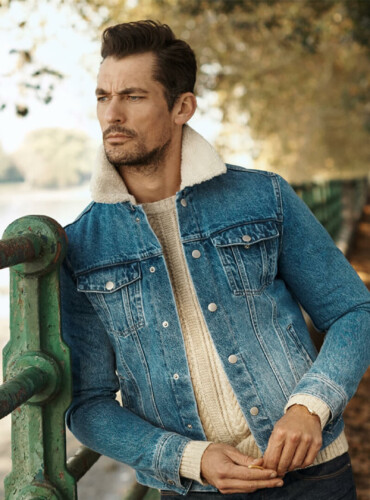
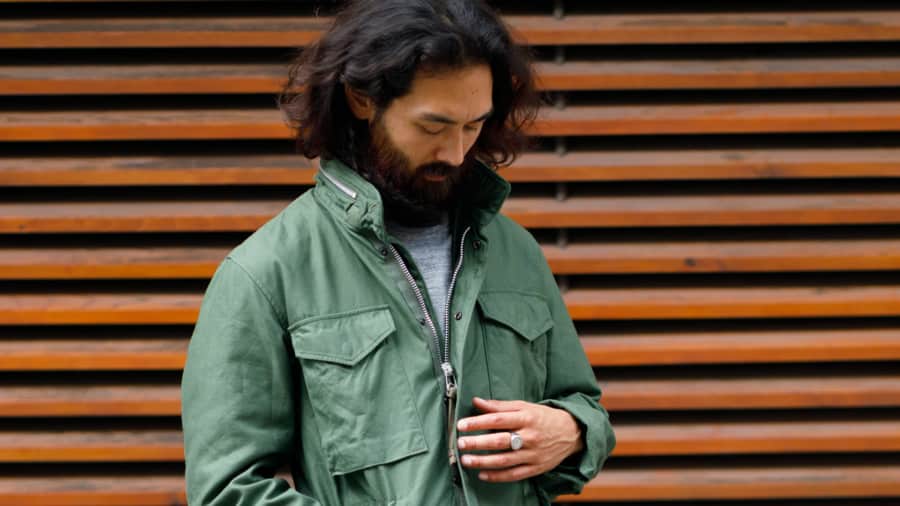
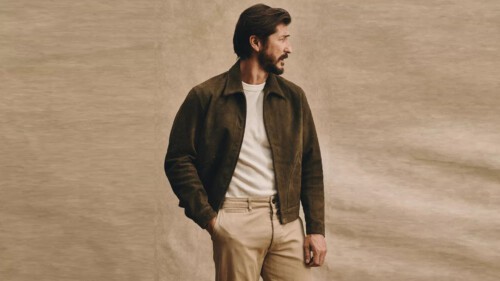
You are a fortunate chap. The appealing depth and patina to your skin tone, coupled with the shock crop of dark hair means you possess the striking qualities to compete with even the hardiest of difficult colours. Violets, purples, bright reds, tangerine yellow…it seems no bright colours can affect your image negatively. Having said that, certain shades don’t do as much for your overall image; weak navy blues flatter the Pale Caucasian and the Exotic tone, but against the dark chic of your visage they are rather something and nothing. Secondly, think ‘saturated’ when choosing unconventional colours such as pink – the just-about-pinks can drag your ensemble down from a fabulous to a mediocre.
3. The Exotic

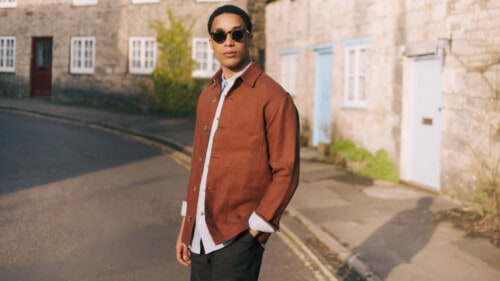
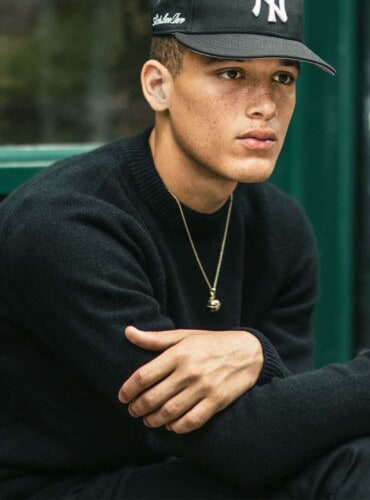
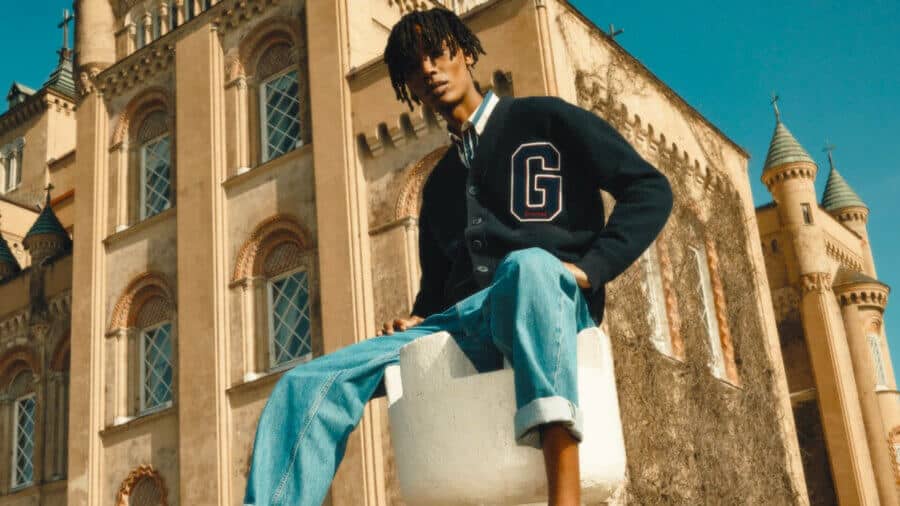
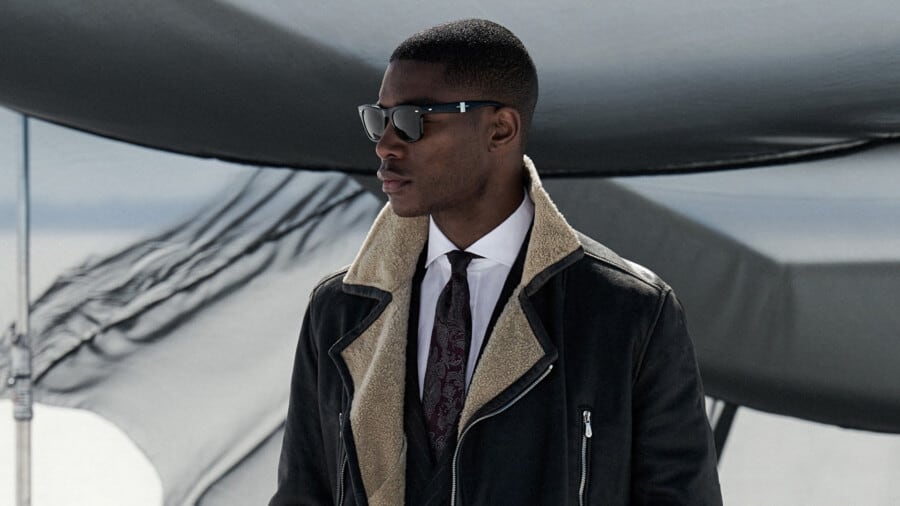
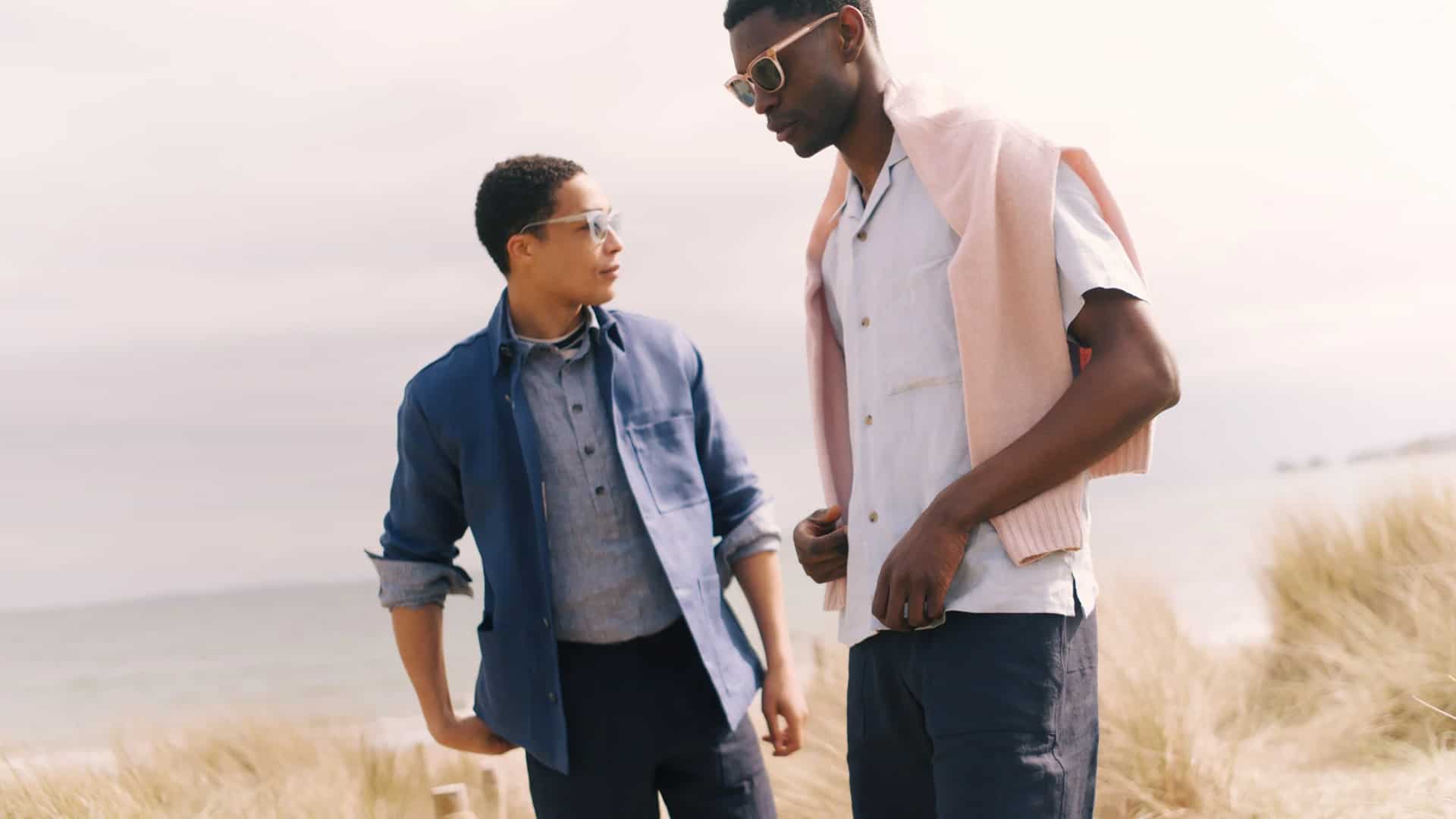
If you have rich dark skin, you are also very fortunate. There are few colours that pose a challenge to the luxuriant tones of your face. However, it is wise to choose colours like white, bright blue, greys and red over browns, blacks and navy as the contrast is magnificent and much more appealing than wearing colours of the same palette as your skin tone. The fact that you are most likely to possess dark eyes means you can experiment wildly in terms of colour; watermelon, imperial purple and the like are all at your disposal.
Bookmark, Share or Email this article • Leave a Comment
Style Icon: Marcello Mastroianni

La Dolce Vita was on this morning. It has been an absolute age since I have seen it and I had rather forgotten what a strange but fabulously enjoyable film it is. As I have grown, I feel I have wearied of excessive emphasis on plot; Fellini’s collection of vignettes is a wonderful antidote because, as a movie, it allows your mind to wander as your eyes indulge. And indulge they do. From the earth-shatteringly famous scene by the Trevi fountain to the tender and sweet scene of the melancholy clown, La Dolce Vita is a film of some style.
And what style! It has one of the most beautiful sets in the world in the city of Rome, appealing photography and some lovely costumes. And then there’s Marcello Mastroianni. As I was watching him in the film, it struck me how slight his natural manner could be; how his status as a style icon has a lot more to do with subtlety than beefy bravado. His entrances were not glories of beauty and costume; there was no grandstanding, no self-satisfaction. Mastroianni seemed to float gently through Rome, quietly tipping his sunglasses. He was not costumed extravagantly or outrageously but something in his carriage, the way he wore his clothes – his ‘flair’ if you will – was remarkable. Some might credit Fellini, or the excellent wardrobe department, but I think Mastroianni was a natural.
I compared his talent for wearing simple clothes extremely well to the awkwardness of Gregory Peck. Whilst Peck was a talented actor, he didn’t have the louche coolness of Mastroianni. His shoulders, though magnificent, rather got in the way of channelling any kind of chic and there was something a little too earnest in his manner. Mastroianni meanwhile could act and brood aloofly at the same time. In some people, complexity of cloth is required to make up for, or conceal, the frank but ordinary man within. Mastroianni wore lovely clothes, but they were not dandified; they didn’t need to be. There were quirks, and little touches, but largely his personal costume as well as his on-screen wardrobe never needed theatrics.
As far as style icons go, Mastroianni is one of the most genuine and also the most difficult to mock. Genuine because he possessed something worthy of iconolatry; a complete style: the smile, the look, the sweep of the hand and the crossing of the legs were all a part of it. And it is these innate qualities that make Mastroianni so difficult to replicate. It is comparatively easy to dress like him. It is next to impossible to dress as him. This point was demonstrated in the wonderful Peroni Nastro Azzuro advert. It was an elegant homage to the Fellini film but the model playing the role of Mastroianni, though clothed and styled in much the same way, didn’t have that magical Marcello sprezzatura.
Bookmark, Share or Email this article • Leave a Comment
Appeal of Linen
Of the multitude of fabrics offered for sale; the miles of natural, man made and combination material, linen is surely the most ancient and certainly one of the most enduring. It is strong, long lasting and attractive and though it has certainly ‘had its day’, it is still popular for its character, coolness and practicality. Admittedly, I do not possess much in the way of it. My linen collection is small and entirely seasonal although this is rather common, and indeed customary, for those even in ownership of overly substantial wardrobes. Linen, like silk, is a minor feature in the gentleman’s clothing closet. The years when fine white Irish linen shirts dominated the fashionable scene are gone; linen is now seen as a novelty.
Compared to cotton it is expensive and, though certainly stronger, less manageable. The crumpled linen shirt may be charming whilst sipping a Chianti on a terrace admiring the view from the hills surrounding Florence, but the lack of elasticity in the fibres becomes rather tedious when it gets down to the practicalities of the work place. There is undoubtedly something honest and organic about it. And like silk, it is easily identified with the merest of touches and, for what it lacks in all-round convenience, it makes up for in character.
For character is where linen really excels. I rather like to think of it as a tired and old grande dame; though creased and unrefined, still captivating onlookers with texture and spirit. What other material can be worn untucked and a little frayed and flabby at the edges? Cotton may be an excellent all rounder but compared to linen it is high maintenance. Cotton needs primping and fuss; a shirt or suit, otherwise respectable, is utterly ruined by evidence of the wearer’s repose. Linen is seemingly impervious to the negative effects of reclining. It certainly creases but somehow, it doesn’t matter. It looks acceptable.
Linen shirts
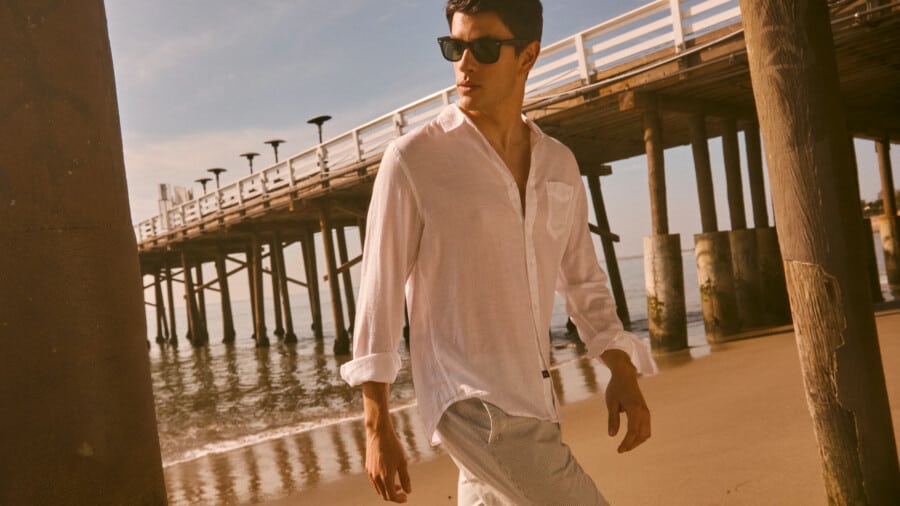
For the summer, the perfect linen shirt is essential. From providing cool protection from the brutal rays of sunshine to cutting a relaxed yet tasteful figure at the loggia restaurant, the linen shirt is such a comfortable choice at this time of year. The ideal linen shirt is not slim-fitting; somehow the crumpled elegance and manufactured fit do not sit well together. It should not be oversized and baggy either, although it is sensible to allow more than a little room between fabric and skin. Although linen shirts are fabulous in pinks, greens, azures and checks there is nothing quite like an ivory for freshness and versatility.
Linen suits

I believe that linen, whilst an outstanding material, should be worn in moderation. Therefore, wearing linen shirts with linen suits is pushing it a tad too far. Contrasts in texture are important – a light cotton shirt is a much better match for a linen suit. And a well made linen suit is a thing of robust beauty: there is something so indescribably luxurious about the way a floppy but tailored linen trouser falls against well-burnished shoe leather. Whilst they are more prevalent now in two button form, a well-fitting three button linen suit (creating the ‘X’ shape when the middle button is fastened) is also very elegant and, due to the fabric’s durability, it will serve the wearer well for many years. For the proverbial cherry, a woven silk pocket square would add a further Titian-esque dimension of texture to the ensemble.
Bookmark, Share or Email this article • Leave a Comment
Etiquette vs “Me”

A friend once wrote to me, in an awful panic, practically begging me for help. His email was littered with exclamation marks and his written manner, though frank and to the point, evidenced his trepidation. He needed sartorial advice – specifically, on etiquette. Halfway through my verbose instructions, I began to ponder the situation. “Here we have an intelligent young man” I told myself. He is attractive, relatively confident and interesting and yet when it comes to suitable clothing for a particular event, he is in a state of utter confusion. Not uncommon, agreed. However, my chum was not in this state because of a lack of basic knowledge; I was confident that he had, at least, the most rudimentary understanding of the dress code. His panic was that, while he wanted to follow etiquette, he wanted to stand out – and stand out some way: his goal was that of impressing a young lady to the point that she might single him out for special appreciation.
This push and pull between sartorial etiquette and individualism has often vexed even the most seasoned style men of my acquaintance. Though some might subscribe to the Wildean idea of “being a work of art”, others might argue that the real art is in restraint. I have been rather undecided. On the one hand, I can see the beauty and simplicity in following etiquette; a man dressed appropriately, if dressed well, would walk in to knowing nods of approval and whispers of “Classic, simply classic.” He would have no concerns about his ensemble, enabling him to put the idea quite out of his head once amongst the throng. There would be none of that John Bull gawping; only side glances of envy and concealed respect.
On the other hand, I can see the other argument; that etiquette on these occasions is for people with little interest in clothing and no idea how to dress well. Women are far more capable of adapting to this philosophy. They pay respect to conventions where appropriate, but they are more pragmatic than males in the sense of adapting costumes of etiquette to outfits more in tune with their own personality. The man who flaunts and violates wildly, without fail, will indeed make a mistake. However, it is revolutionaries and not conservatives that have shaped the course of fashion. Heroes like Edward VIII, latterly the Duke of Windsor, had an extraordinary ability (though his influential position in society did no harm) to break the rules without offending. The time at which Edward began to ignore certain starchy conventions, little had changed since the Victorian and Edwardian period, was ripe for radicalism. The Great War incited cynicism about the values of the past; Europe had given up on jingoism and reverence to tradition. Jazz filled the dance halls; there were political revolutions, a rejection of the continuation of a patriarchal society and His Royal Highness, swanning around in a dinner jacket at a function for tails, merely provided the coup de grâce.
Nowadays, it is rather different. There is neither the atmosphere nor the taste for radicalism. The men lauded for their sense of individualism and style are scarcely revolutionaries; they are more likely to be conservatives with quirks. And to my mind, this is a product of society, not because of a want for visionaries.
In completion of the instructions to my friend, I encouraged him to experiment a little. I informed him I would not tell him how to dress; that would simply be a conformation to another etiquette – my own. I offered him ideas and options and informed him that standing out as an ‘individual’ really required ‘individualism’ and that, truthfully, he possessed it in spades. It simply needed digging out.
Bookmark, Share or Email this article • Leave a Comment
Sartorial Ideas for a Wedding

Alright, hands up anyone off to a spring/summer wedding. The chances that a good number of maulers would be lifted on reading this are extremely good indeed. Spring and summer weddings are an inevitability; they are the cliché of clichés. Just as thousands of perspiring tourists descend upon poor Venice every summer, thumping along the preciously perched structures like a herd of Wildebeest marching across a spider’s web, thousands of people will choose to have an ‘in season’ wedding; “Shall we do it in winter darling? It’ll be novel!” “No darling, let’s congest the precious and few summer days…everyone expects us to.” It is true – we do expect, often with bated breath, at least a few invitations for nuptials in the sunny season. For most people in the UK, incapable of flying a couple of hundred people off to the Caribbean or the Maldives in the less clement months of December or February, the marriage can be given no greater head start than the perfect spring or summer wedding; the pleasant church surrounded by blossom, the magnificence of a garden marquee and the utter embarrassment of drunken relatives tripping into the pool.
As the days lengthen across the Northern hemisphere, the gentle sound of gold and silver lettered envelopes tumbling to the floor reaches a crescendo. Should you find the functions mounting up and encounter a clash, fear not. There is a sure-fire way to guarantee your attendance at the most worthy function. Stand in the corner of a large room and throw the clashing invitations, one by one, to the other side. The sturdiest invitation will be that which reaches the other side, or comes closest to it. This is the invitation that should take preference over the other.
Once you have chosen the wedding which, you feel, would most suit your attendance, it is time to give some thought to clothing. Most chaps I know consider a wedding to be ‘someone else’s day’, thus shunning the philosophy of the peacock; they dress arbitrarily and even poorly with the excuse that dressing well would somehow upset the bride and groom, especially if you were better dressed than they. Whilst I can appreciate the sensitivity, this is absolute nonsense. The bride and groom are far more likely to clasp your hands warmly in gratitude that someone took their well planned and painstakingly produced function seriously and dressed up accordingly.

It’s a wedding, not a conference
One of the most awful realities of dressing for weddings is that people believe a suit – no matter what type of suit, as long as the trousers match the jacket – is king. Whilst the average suit is a very practical and certainly inoffensive form of clothing, it can also be rather dull and pedestrian. I attended a wedding in a black short jacket, spongebag trousers and patent Oxford shoes only to find the other men had shuffled along in crumpled four button suits and scruffy loafers.
Ironically, some of the worst formally dressed chaps brushed up well later on when they put on their ‘glad rags’ which was even more saddening as it revealed their interest in clothes was merely superficial. I think a pair of smart trousers and a contrasting jacket are perfectly acceptable and far more interesting; a blue blazer with caramel trousers and burgundy Oxford shoes will look urbane and chic, and yet at the same time appropriate ‘costume’ for a wedding. For to me, weddings are a theatrical event that in the past called for the most theatrically grand items of day wear; the morning suit and top hat.
Knowing when to stop…
That last point about morning suits and top hats brings me neatly around to the issue of limits. Having thrown the licence to dazzle and be individual in the air, I think it only sensible to consider the limitations that exist in deciding upon the wedding wardrobe. Firstly, think theatrically but set barriers – there is a fine line between harmonious wedding habiliments and absurd clownishness. By all means be a little experimental and daring but, if you find yourself treading the path of excess, remember the Coco Chanel motto; “always remove one item before leaving the house.”
‘The only link between Art and Nature’
Weddings are a wonderful excuse to wear a buttonhole. I have been known to dabble in orchids, chrysanthemums and black roses (really a very deep red; alluring and frightfully luxurious, though they sound funereal) but the key thing is to buttonhole honestly and appropriately; my chrysanth’ had to match my ivory and blue striped tie and ivory waistcoat or at least depart from it so completely that it did not clash. Another thing to remember is that rarity of flower is not the ultimate; the highest quality rose or carnation will provide greater flourish than the dank and weeping orchid.
Bookmark, Share or Email this article • Leave a Comment
• Ruffs, Cuffs and Farthingales (by Winston Chesterfield)
• Permanent Style (by Simon Crompton)
- Vickan: I would just like to say that I...
- Nicola Linza: Chris, You are correct here....
- Phillip Vaughan: I think age determines...
- Caligula: Please excuse my English,...
- Caligula: I really do believe that fashion...